For many organisations, POPIA compliance begins with cybersecurity. Firewalls, encryption and password policies all play an important role in protecting personal information. While these measures are essential, they only address part of the challenge. Businesses also need to consider how physical documents are created, stored, accessed and disposed of throughout their lifecycle.
Paper records often contain some of an organisation’s most sensitive information, including customer details, employee records, financial information and contracts. Without effective document management processes, these records can easily be misplaced, accessed by unauthorised individuals or damaged beyond recovery. By implementing effective document scanning and digital document management practices, organisations can strengthen their compliance efforts while improving operational efficiency.
Understanding POPIA Requirements
The Protection of Personal Information Act (POPIA) was introduced to promote the responsible handling of personal information in South Africa. The legislation requires organisations to collect, process, store and dispose of personal information in a manner that protects the privacy of individuals.
Although POPIA does not prescribe exactly how organisations should manage their records, it requires businesses to implement appropriate technical and organisational measures to prevent loss, unauthorised access and misuse of personal information.
This means businesses should be able to:
- Protect confidential information from unauthorised access.
- Control who can view, edit or share documents.
- Retrieve records quickly when required.
- Maintain accurate and up-to-date information.
- Dispose of records securely when they are no longer needed.
Meeting these requirements becomes increasingly difficult when important information is spread across filing cabinets, archive rooms and paper files.
Why Paper Records Create Compliance Risks
Paper documents introduce several compliance challenges that many organisations underestimate.
Physical records can be misplaced, removed from filing systems or viewed by individuals who should not have access to them. Unlike digital systems, paper files rarely provide an audit trail showing who accessed a document or when changes were made.
Searching for paper records is also time consuming. Employees may spend valuable time locating files for customer enquiries, audits or compliance reviews, slowing down business operations and increasing administrative costs.
There is also the risk of accidental damage. Fire, flooding, theft or simple wear and tear can permanently destroy important business records. Recovering lost information is often impossible without digital backups.
As organisations continue to embrace hybrid working environments, paper files create additional challenges by limiting secure access to information outside the office. Digital records provide authorised employees with faster access while maintaining appropriate security controls.
How Document Scanning Supports Compliance
Document scanning provides a practical way to strengthen compliance while improving everyday business processes.
By converting paper records into searchable digital files, organisations gain greater visibility and control over their information. Digital document management systems can restrict access based on user permissions, record document activity and simplify record retention processes.
Modern document scanners combined with Optical Character Recognition (OCR) technology also allow businesses to search documents by keywords rather than manually sorting through filing cabinets. This improves productivity while helping staff locate information quickly during audits or customer enquiries.
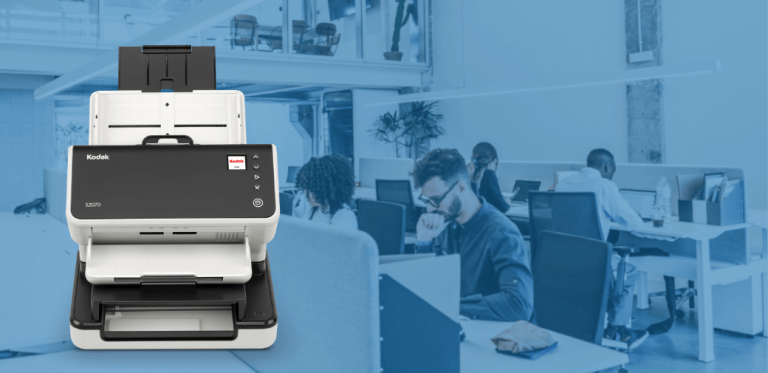
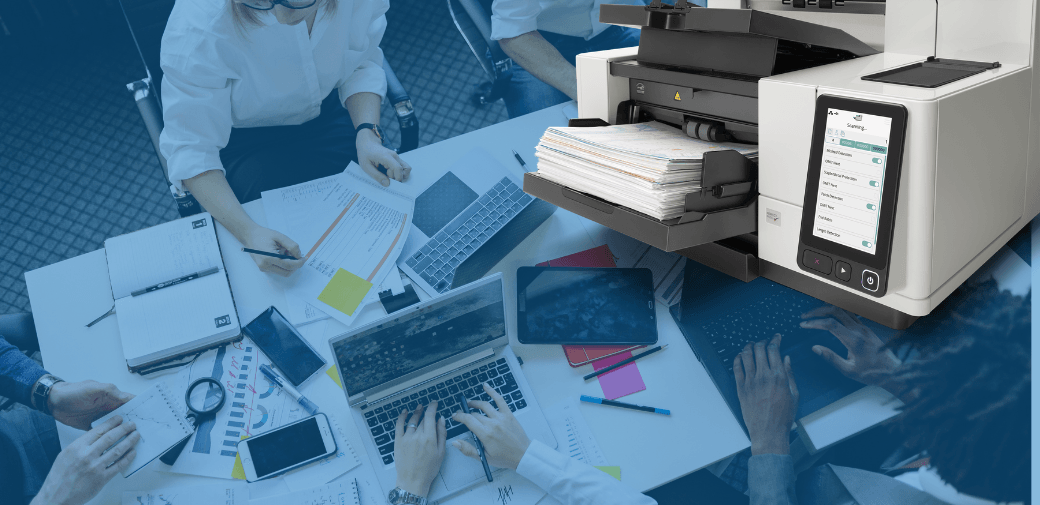
For organisations managing large volumes of paperwork, high-speed document scanners significantly reduce the time required to digitise records. Once documents have been scanned, they can be integrated into existing document management systems, making information easier to organise, retrieve and protect.
ScanServ helps South African businesses implement reliable document scanning solutions that support these objectives. With more than 20 years of experience, the company supplies industry-leading Kodak Alaris and Fujitsu document scanners, together with document capture software, installation, training, maintenance and ongoing technical support. This enables organisations to build secure and efficient document management processes that support both operational efficiency and regulatory compliance.
Preparing Your Business for Better Compliance
POPIA compliance is not achieved through technology alone. It requires clear policies, responsible information management and systems that support secure handling of personal information throughout its lifecycle.
Digitising paper records is one of the most effective ways to reduce compliance risks while improving productivity across the organisation. By implementing document scanning and digital document management solutions, businesses can strengthen information security, improve record accessibility and create more efficient workflows.
As regulatory requirements continue to evolve, organisations that invest in modern document management practices will be better positioned to protect sensitive information, support compliance initiatives and deliver better service to their customers.
ScanServ is a leading South African supplier of document scanning solutions, helping businesses improve the way they capture, manage and access information. With more than 20 years of industry experience, ScanServ supplies high-quality document scanners from trusted brands including Kodak Alaris and Fujitsu, supported by expert advice, installation, training, maintenance, repairs and managed services. Whether you’re looking to digitise paper records, streamline document workflows or find the right scanning solution for your organisation, ScanServ provides the expertise and support to help your business work more efficiently.
Frequently Asked Questions
1. What is POPIA compliance?
POPIA compliance refers to meeting the requirements of South Africa’s Protection of Personal Information Act, which governs how organisations collect, process, store and protect personal information.
2. How does document scanning help with POPIA compliance?
Document scanning converts paper records into secure digital files that can be protected using access controls, backups and document management systems. This helps organisations reduce the risk of lost or unauthorised access to sensitive information.
3. Why are paper documents a compliance risk?
Paper records can be misplaced, damaged, copied or accessed without authorisation. They are also more difficult to track, retrieve and manage than digital documents, increasing the risk of non-compliance.
4. What is digital document management?
Digital document management is the process of storing, organising and managing electronic documents in a secure system that allows authorised users to quickly search for, retrieve and manage information.
5. What is OCR and why is it important?
Optical Character Recognition (OCR) converts scanned documents into searchable digital text. This allows businesses to quickly locate information, improve productivity and manage records more efficiently.
6. Which businesses benefit most from document scanning?
Any organisation that handles large volumes of paperwork can benefit from document scanning, including legal firms, healthcare providers, financial institutions, government departments, educational institutions and corporate businesses.
7. Can document scanning improve business efficiency as well as compliance?
Yes. In addition to supporting POPIA compliance, document scanning reduces manual administration, speeds up document retrieval, improves collaboration and creates more efficient digital workflows.
8. Why choose ScanServ for document scanning solutions?
ScanServ has more than 20 years of experience helping South African businesses improve document management. The company supplies trusted Kodak Alaris and Fujitsu document scanners, together with document capture software, installation, maintenance, repairs and ongoing technical support to help organisations build secure and efficient document management systems.